

Confession & Anointing of the Sick
Why is the Sacrament of Reconciliation essential—and potentially life-changing—for Catholics? How does the Anointing of the Sick make a difference to those who are suffering or dying? How doe these sacraments reveal God’s mercy?
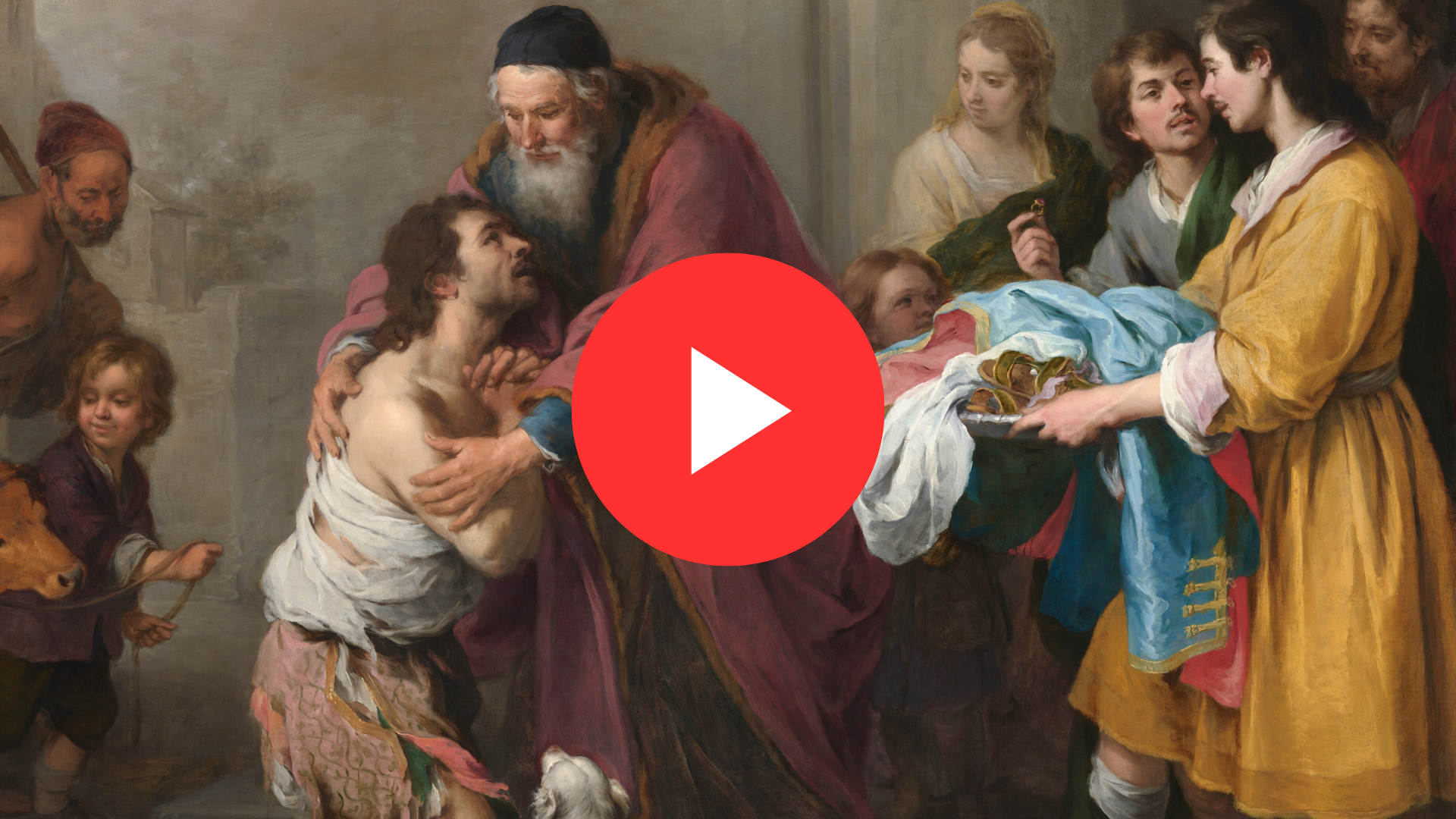

What's the Difference Between Mortal and Venial Sins?
Time: 8:51
What is a mortal sin, according to the Catholic Church? What's a venial sin? What's the difference between the two? How can you tell the difference while doing an examination of conscience to prepare for the sacrament of Penance, or Confession? In this episode of Aquinas 101: The Sacraments, join Fr. Dominic Legge, O.P., a Catholic priest and Dominican friar from the Province of St. Joseph, as he explains what the difference is between mortal and venial sins.
Do I Need to Go to Confession?
Time 9:23
Today Fr. Mike encourages and challenges us to see the Sacrament of Reconciliation not as a burden but as a gift from God. Your Heavenly Father wants to reconcile with you and offer you the grace of forgiveness and he does this through the humanity of the ordained priesthood.
Explanation
Confession (Reconciliation) and the Anointing of the Sick are the two Sacraments of Healing in the Catholic Church, instituted by Christ to strengthen the faithful in times of spiritual and physical weakness.
Sacrament of Confession (Reconciliation/Penance)
Also known as Penance, Confession, or Conversion, this sacrament is the means by which Christ's healing touch removes the burden of sin.
Purpose: To offer pardon and peace for sins committed after Baptism.
Essential Elements:
Contrition: Sincere sorrow for sins.
Confession: Naming sins to a priest.
Penance: An act to make satisfaction for sins.
Absolution: The priest, acting in the person of Christ, forgives the sins.
Effects: Restores the sinner to friendship with God, reconciles them with the Church, and strengthens them against future temptations.
Sacrament of Anointing of the Sick
Also known as ‘Extreme Unction’ this sacrament is recognised as a ritual of healing for anyone facing serious illness, not just those at the point of death.
Purpose: To bring spiritual strength, peace, and comfort to those suffering from serious illness, old age, or preparing for surgery.
Who Can Receive: Any baptised Catholic who has reached the age of reason and begins to be in danger due to sickness or old age. It may be received more than once.
Essential Elements:
Laying on of hands: The priest silently lays hands on the sick person’s head.
Anointing with Oil: The forehead and hands are anointed with the Oil of the Sick (blessed by the bishop).
Prayer: The priest prays: "Through this holy anointing may the Lord in his love and mercy help you with the grace of the Holy Spirit. May the Lord who frees you from sin save you and raise you up".
Effects:
Union with the Passion: Unites the sick person more intimately to Christ’s suffering.
Strength & Courage: Provides comfort and peace to endure suffering.
Forgiveness of Sins: Absolves sins if the person was unable to make confession.
Physical Healing: Sometimes brings restoration of health, if it is for the good of the soul.
Preparation for Death: Prepares the person for the final journey to God.
Relationship Between Confession and Anointing of the Sick
While they are distinct, the Church recommends that, if possible, Confession should precede Anointing. If the sick person is unable to make a confession but is sorry for their sins, the Anointing of the Sick provides forgiveness.
Note: The "Last Rites" commonly refer to a combination of three sacraments: Penance (Confession), Anointing, and Viaticum (final Holy Communion).